Galway, Ireland · Lifestyle information

Pauses are part of how steady work actually happens

Short, deliberate breaks give your mind and body space to reset so you can return to tasks with clearer attention and a calmer pace.

Free articles only — we do not sell products or services through this form. Submitting takes you to a simple confirmation page and means you want us to process your email as described in our Privacy policy (occasional editorial updates if we launch them).

Full contact form

Creativity

Incubation likes a slower tempo

Ideas often arrive when pressure eases. That does not mean avoiding work; it means giving your attention a different texture so connections can surface.

What incubation is in everyday language

You gather facts during focused blocks. Later, while cycling, cooking, or folding laundry, your mind sorts those facts without a ticking clock. That sorting is incubation: background assembly, not magic.

Breaks devoted to low-stimulation activities protect space for that assembly.
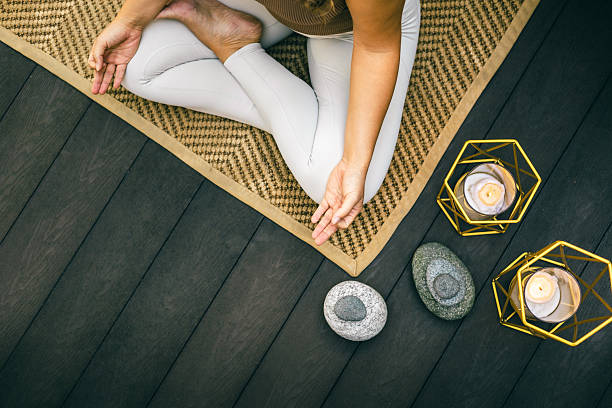
Colour and texture in a creative workspace

Quiet assembly

Ideas need room to move slowly

Familiar walks, simple chores, or quiet repetition give your mind rhythm without a fresh puzzle to solve. Plenty of links show up precisely in those low-demand minutes.

Keep capture light: one keyword in a notebook or a short voice note when a phrase locks. If you chase every flicker, the pause becomes another inbox—exactly what you stepped away to avoid.

Walking routes you already know

Novelty is overrated for incubation. When your feet know the turns, your prefrontal cortex stops negotiating maps and frees bandwidth for quiet association—the mental scribbling that happens when nobody is grading you.

Same loop, fresh eyes. Repeat a modest circuit—park perimeter, two quiet streets, pier and back. Repetition is a feature: seasonal light shifts, neighbour gardens mutate, weather alters sound. Interfaces cannot compete with wet leaves underfoot.

Silence the navigator. Turn off podcast autoplay unless audio genuinely serves the question. Let boredom be a collaborator; it is often the soil where phrases you actually need bubble up.

Capture discipline. Tuck a slim notebook or one-tap voice memo, but only answer when a line locks—complete clause, vivid image, stubborn problem reframed. Mid-walk inbox triage converts rest into half-work.

Weather as constraint. Rain and heat are data, not failures. Waterproof layer, slower pace, shorter loop—adjust without moral commentary. Constraints often improve creative framing because they remove infinite option fantasy.

Social visibility matters for safety and sanity: bright hours, known neighbours, headphones that still let traffic through if you share roads with cars. If you need solitude but distrust isolation, time-box the walk—thirty minutes along the harbour, phone left on kitchen tile—and treat return as seriously as departure.

Familiar routes lower the activation energy for showing up again tomorrow; creativity needs repeated contact with the same generous boredom more than it needs a fresh continent.

When ideas arrive in bursts, resist expanding them mid-stride unless stopping is safe. Park the gleam as a keyword on paper—"lichen metaphor," "pricing staircase"—then continue moving so blood flow and metaphor can finish their quiet handoff. Later, indoors, unpack keywords with tea, not with seventy browser tabs.

Try this week: walk the identical loop four times, note one sensory detail that changed each round. You are training attention to depth instead of chasing new scenery like another content feed.

Constraints as creative prompts

Unlimited possibility sounds generous; often it paralyses. A crisp constraint—word count, audience, banned tool, deadline shape—turns wandering into scavenger hunt. Before you incubate, choose one fence you will not negotiate during this lap.

One-page law

If the idea cannot survive a single page, it is not ready to sprawl. Forces hierarchy: what must a reader carry away if everything else burns?

Teenager test

Explain the stakes aloud as if to a curious sixteen-year-old. Jargon reveals itself as panic; clarity shows where fear hid behind polysyllables.

No new tools

Ban fresh software, fonts, frameworks. Creativity must wrestle inside the stack you already own, which exposes whether the problem is craft or procrastination dressed as procurement.

Reverse deadline

Declare a ridiculous first draft hour—forty minutes of ugly sentences—then walk. Incubation repairs structure; constraint prevents perfectionism from swallowing momentum.

Carry the constraint like a pocket stone: tangible, slightly annoying, always there. While you cook or walk, hypotheses collide against it. Bad ideas bounce; promising ones dent the stone, leaving a mark you can inspect later without pretending every thought deserves a VC deck.

Evaluation happens after the pause, not during every shower thought. Score ideas against the fence: did this honour one page? Did it avoid new gadgets? Did the teenager nod or glaze? If an idea violently hates the fence, either the fence was cowardly or the idea wants different soil—adjust consciously, not by sneakily expanding scope.

Constraints also protect relationships: “no Slack brainstorm until Thursday” is a creative rule that respects colleagues’ focus. Shared fences beat heroic lone all-nighters that create brittle, unhandoffable genius.

The muse respects scaffolding more than fog. Name your beams before you leave the desk, and the walk has something to lean on.

Finally, rotate constraints across projects so muscle memory does not ossify. Last month’s one-page law might become this month’s palette restriction for design, or tempo restriction for music. Creative stamina grows when boundaries feel like playgrounds, not jails—your job is choosing fences that fit today’s problem, not importing yesterday’s trophy rulebook wholesale.

Capture systems that do not hijack momentum

Brilliant scraps arrive during low gears—showers, stirring soup, unlocking a bike. Capture exists to honour the scrap without colonising the pause. The failure mode is ornate: five apps, colour-coded tags, sync anxiety. Simplicity keeps rest from becoming administration cosplay.

Single inbox

One pad, one note named “Spark Inbox,” or one audio queue. Duplication breeds orphan thoughts and guilt. If digital, resist subfolders until weekly review.

Triage rhythm

Process sparks once daily, or twice if volume demands. Promote survivors to real projects; delete fluff without remorse. Unprocessed inbox older than three days signals fear, not busyness.

App budget

During pauses, forbid opening secondary tools—no quick wiki detours, no “just checking” dashboards. If capture requires a phone, open only the inbox surface, then lock device again.

Phrase hygiene

Prefer five honest words over polished slogans mid-walk. Polish belongs in scheduled sessions where keyboard and coffee coexist intentionally.

Voice memos help when gloves or rain forbid paper; keep clips under thirty seconds to force focus. If transcription bots tempt you into editing mid-stride, disable auto-transcribe during outdoor blocks. Trust ears later; they know the original heat better than autocorrect.

A capture system succeeds when you forget it exists until review and still trust nothing vanished—because friction matched the size of the idea.

Social capture—texting yourself—works if your messaging app is not a social feed. Email-to-self is fine for desk workers who already live in mail clients, pointless for people who dread unread badges. Choose topology that matches your actual vices.

Inbox dread Duplicate notes Mystery voice memos Tags nobody uses

When pills stack, delete infrastructure, not yourself. Burn the taxonomy, keep one pile, recommit to triage. Creative pauses should end with muscles warm and inbox trusting again—not with you micromanaging metadata like a librarian on deadline.

Closing the loop responsibly

Creative downtime complements—not replaces—careful research and collaboration. When you need industry-specific guidance, consult practitioners who know your field.

Disclaimer: This website provides general lifestyle information only and is not professional or medical advice.